Waiting for Rain
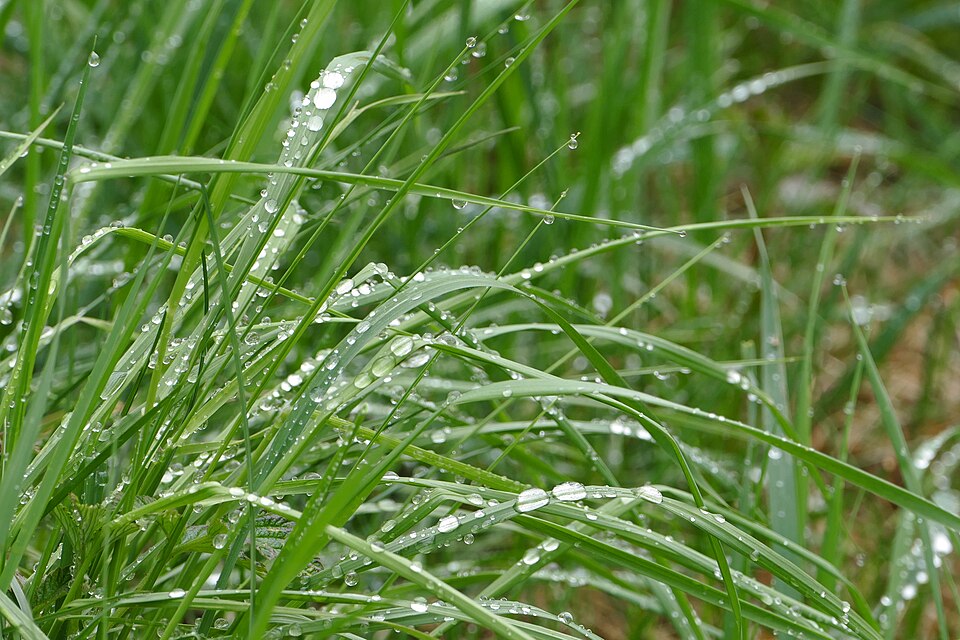
Rabbi Yaakov Galinsky zt"l adds explanatory notes to the verse: “No shrub of the field was yet on the earth, and no herb of the field had yet sprouted. [And why?] Because Hashem God had not caused it to rain upon the earth. [And why had He not caused it to rain?...
The Four Species and the Unity of Israel
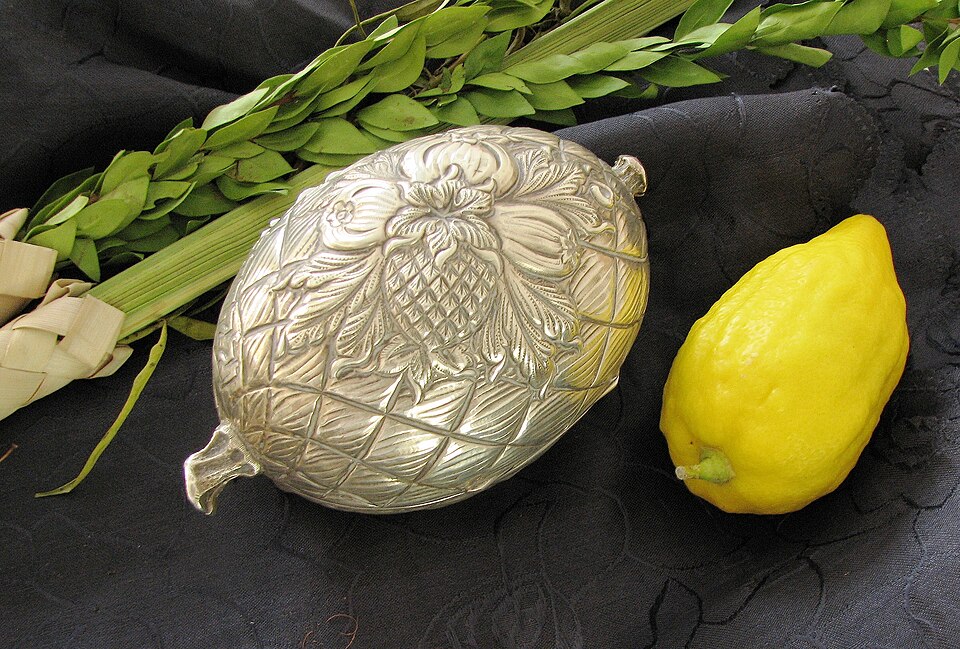
The Medrash (Vayikra Rabbah 30:12) teaches that the four species we take on Sukkos represent four kinds of Jews: The esrog has both taste and fragrance, representing those who have both Torah learning and good deeds. The lulav, from the date palm, bears fruit with...

In Order that He be Revered
In Psalms 130:3-4 King David writes: "If iniquities were guarded by You, Hashem, my Master, who would stand? For forgiveness is with you, in order that you be feared." It is important to note that the word I translated here as “feared” could also be translated as...
An Impossible Promise, Fulfilled
In our reading we find the following passage: And it will be, when all of these things have come upon you, the blessing and the curse which I have set before you, and you shall return them to your hearts among all the nations where Hashem your G-d has pushed you, and...
Our Exile, Hashem’s Pain
Last week, over 1000 guests gathered to celebrate the wedding of Eliya Cohen and Ziv Aboud. Former Chief Rabbi Rav David Lau officiated. What made the wedding so special was that Cohen had spent over 500 days in Hamas captivity, while Aboud survived the massacre at...
No One Left To Flounder
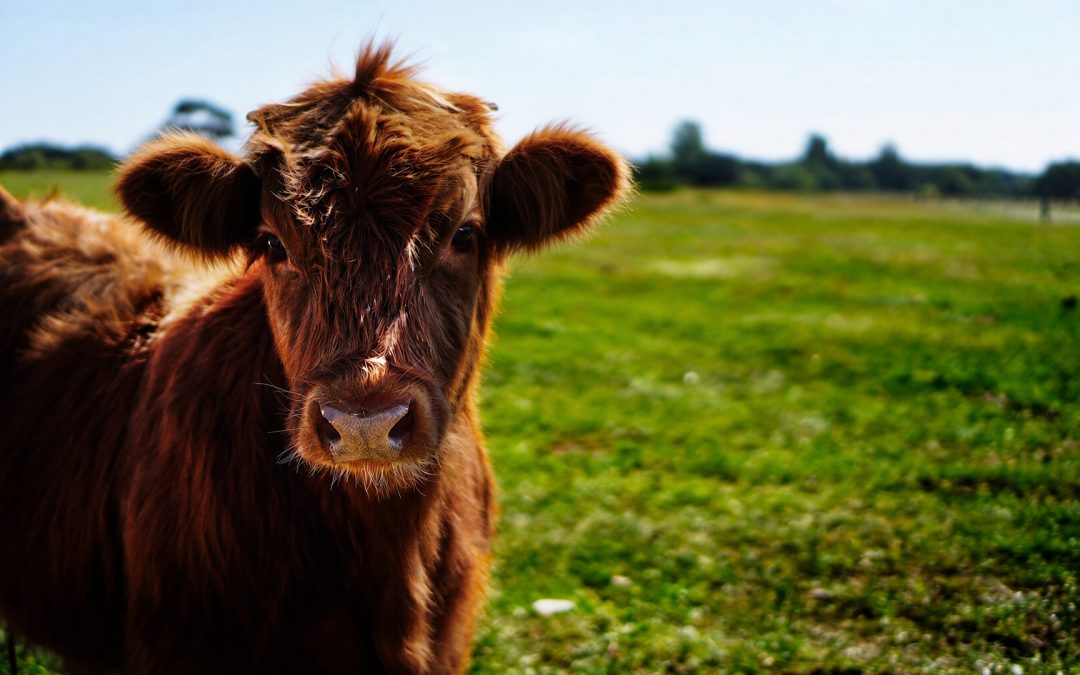
At the end of this week's reading, the Torah prescribes an unusual procedure if a dead person is found out of town. They measure to determine which neighboring city or town is the closest to the corpse. The elders of that town bring a heifer, a calf which has never...